Turn a storage bill into free space.
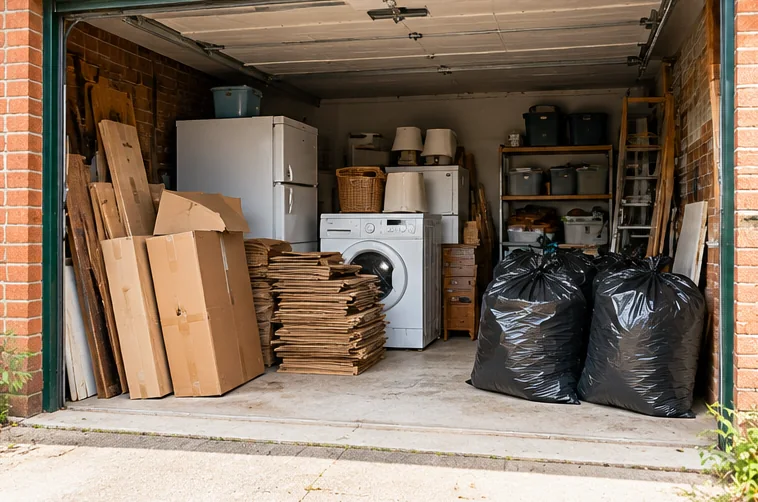
Measure unit size, check access hours and separate any items subject to storage contract or ownership restrictions before a collection.
For a useful first estimate, describe the largest items, smaller loose material, and whether there is a safe, convenient place to load. A pile photograph and an access photograph often tell a clearer story than a guessed number of bags.
What this service commonly involves
Boxes, old furniture, stock and mixed stored goods. These are examples rather than a blanket acceptance promise; availability and the correct handling arrangements depend on the actual load.
How to get the details right
- Identify the items. Put anything heavy, upholstered, electrical or unusual on a separate line.
- Explain the access. Mention stairs, gates, parking distance and any loading limits.
- Agree the arrangements. Check the operator’s registration, the scope of the quote, the waste route and any extra charges.
Sorting materials before collection
Recyclable metal, reusable furniture, suitable garden material and general mixed rubbish can have very different routes. Keep paint, oils, batteries and suspected hazardous materials apart; the contractor must confirm what can legally be handled.
A responsible collection starts with verification.
The government advises householders to check that a private waste carrier is authorised, with upper-tier registration generally expected for collecting other people’s waste.
Official Environment Agency register