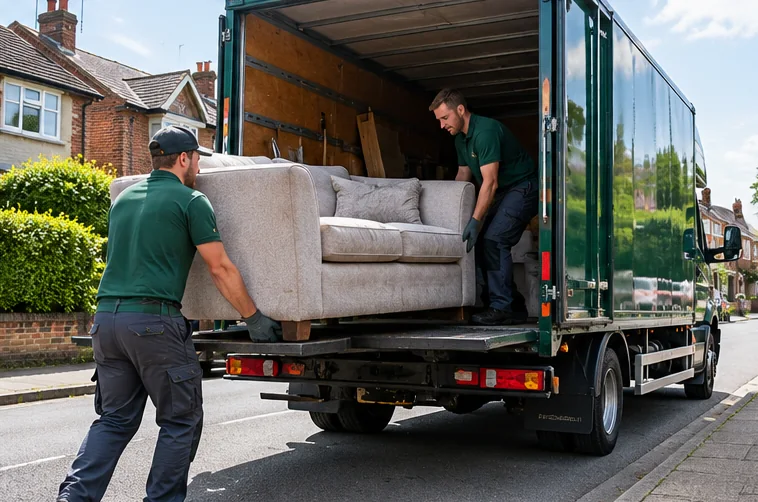
What you should know.
The Environment Agency updated its guidance on waste upholstered domestic seating in July 2026. The rules concern persistent organic pollutants that can be present in furniture components.
Getting the practical details right
Operators need suitable handling, storage and treatment arrangements. The guidance explains why affected material cannot be treated like ordinary recyclable timber or cardboard.
Start with the context of your own job: what is actually being disposed of, whether it is domestic or commercial waste, how the load can be reached and whether any item requires individual consideration. A clear inventory avoids the trap of describing every collection as simply “mixed rubbish”.
The detail that saves time
Write a short inventory rather than relying on a vague description. Separate ordinary items from materials with special treatment requirements, take photographs that show scale and access, and confirm the waste-carrier details before collection. Getting the fundamentals right means more reliable quotes and fewer unnecessary trips.
Different jobs need different waste routes and handling arrangements.
Before you make a final decision
Residents should tell any collector exactly which upholstered items need to go and ask about the accepted route.
When you compare collection options, consider not just the headline price but the labour, material acceptance, operator details and supporting paperwork. A good plan also identifies reusable items before they are treated as waste.
Check the original source
Regulations, booking arrangements and local collection services can change. The linked official publication is the primary source for the guidance or news item discussed here.
Original authority notice / guidanceThe next useful step
If a collection is already on your list, gather photographs, check access, separate unusual materials and compare how different providers describe their waste routes. Explore the waste-carrier guidance and use the quote planner to capture the details.